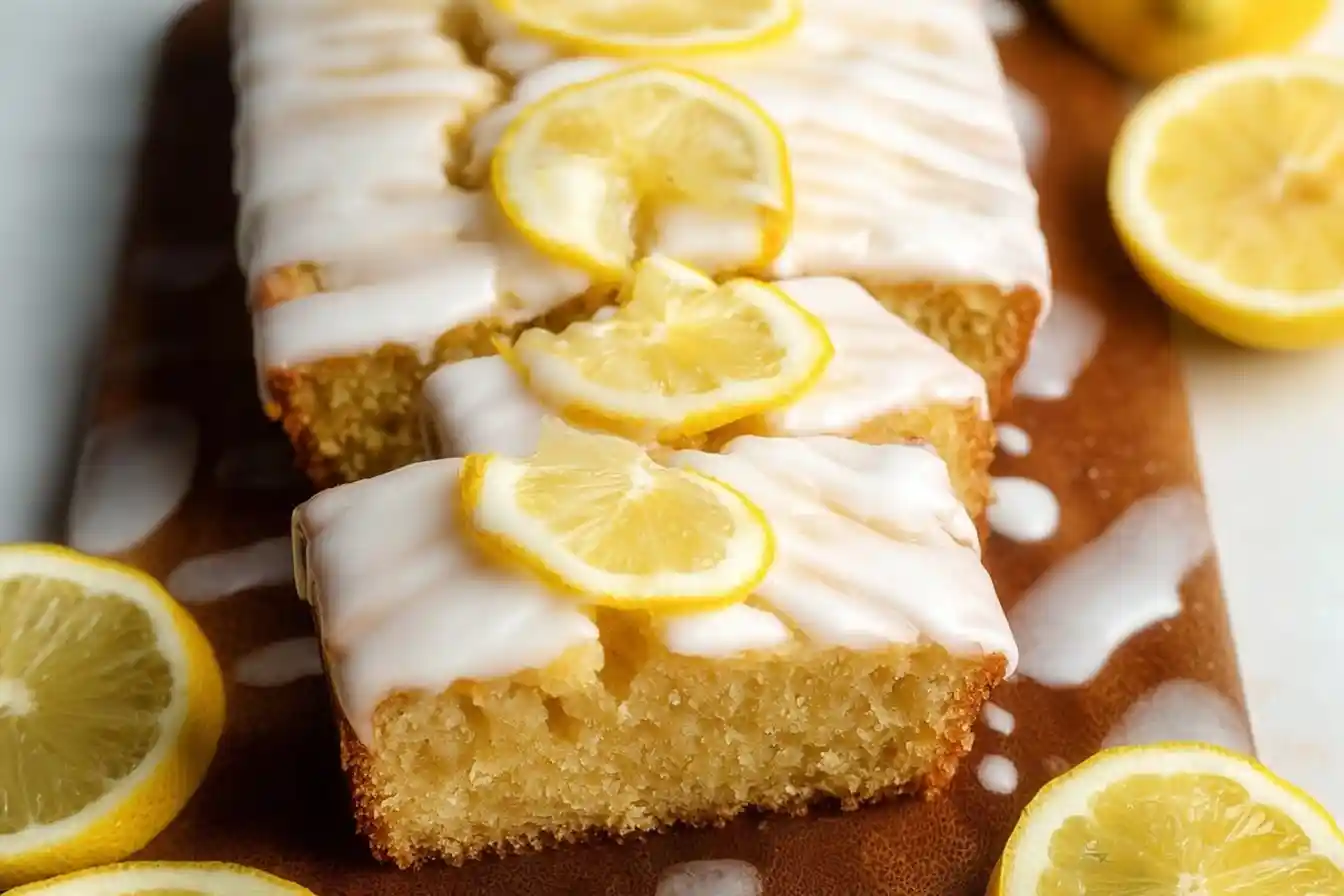
Ingredients
Equipment
Method
Prepare Pan & Brown Butter
- Preheat oven to 350°F (175°C). Line a 9x5 inch loaf pan with parchment paper, leaving an overhang on the longer sides for easy lifting. In a small saucepan, melt the 1/2 cup unsalted butter over medium heat. Continue cooking, stirring occasionally, until the butter turns amber in color and nutty brown bits form at the bottom. This should take 5-7 minutes. Remove from heat immediately and pour the browned butter into a large heatproof mixing bowl, scraping all the browned bits from the pan. Let it cool for 5-10 minutes.
Combine Wet Ingredients
- To the slightly cooled browned butter, add the granulated sugar and light brown sugar. Whisk thoroughly for about 1 minute until well combined and slightly lighter in color. Beat in the eggs one at a time, mixing well after each addition until fully incorporated. Stir in the vanilla extract, lemon zest, and fresh lemon juice until just combined.
Add Dry Ingredients
- In a separate medium bowl, whisk together the all-purpose flour, baking powder, and salt. Gradually add the dry ingredients to the wet ingredients, mixing with a rubber spatula until just combined. Be careful not to overmix; a few streaks of flour are okay. Overmixing will result in a tough blondie.
Bake the Blondie
- Pour the batter into the prepared loaf pan and spread evenly. Bake for 35-40 minutes, or until a wooden skewer inserted into the center comes out with moist crumbs attached (not wet batter). The top should be golden brown and the edges set.
Cool
- Remove the loaf pan from the oven and let it cool in the pan on a wire rack for at least 15-20 minutes. This helps the blondie set. After partially cooling, use the parchment paper overhang to lift the blondie out of the pan and transfer it directly to the wire rack to cool completely before glazing, about 1-2 hours.
Prepare the Lemon Glaze
- Once the blondie is completely cool, prepare the glaze. In a small bowl, whisk together the sifted powdered sugar and 3 tablespoons of fresh lemon juice. If the glaze is too thick, add the remaining 1 tablespoon of lemon juice or a teaspoon of milk/cream at a time until you reach a smooth, pourable but not watery consistency.
Glaze the Blondie
- Place the cooled blondie on the wire rack over a piece of parchment paper or a baking sheet (to catch drips). Pour the lemon glaze evenly over the top of the blondie, allowing it to drip down the sides. Let the glaze set for about 15-20 minutes before slicing and serving.
Notes
Browning Butter: Keep a close eye on the butter as it browns, as it can go from perfect to burnt very quickly. The nutty aroma is a good indicator, along with the color.
Do Not Overmix: Overmixing the batter develops the gluten in the flour too much, which can lead to a dry, tough blondie instead of a moist, tender one.
Storage: Store the lemon loaf at room temperature in an airtight container for up to 3-4 days, or in the refrigerator for up to a week. It also freezes well, wrapped tightly, for up to 2-3 months.
Sifting Powdered Sugar: Sifting powdered sugar for the glaze ensures a smooth, lump-free consistency.
Do Not Overmix: Overmixing the batter develops the gluten in the flour too much, which can lead to a dry, tough blondie instead of a moist, tender one.
Storage: Store the lemon loaf at room temperature in an airtight container for up to 3-4 days, or in the refrigerator for up to a week. It also freezes well, wrapped tightly, for up to 2-3 months.
Sifting Powdered Sugar: Sifting powdered sugar for the glaze ensures a smooth, lump-free consistency.